Over 650,000 products — the whole catalogue bar the categories we deliberately cut, re-read every night. Open one and you get what it really earns, what it costs to land, who is already advertising it, and which clips are doing the selling.
A screen recording of the product. It plays on a loop and there is nothing to interact with; everything it shows is described here. The feed lists everything selling on TikTok Shop ranked by what it earned in the last thirty days — an insulated water bottle at $2.4M, an LED desk lamp at $1.9M and a self-watering planter at $1.6M. Opening the bottle shows a $34.00 average price paid, a 4.7 rating from 8.2k reviews, 214 clips selling it, and a cost to source of twelve per cent of what a buyer pays. Nine of its thirty days were read from the sold counter and the rest are carried, which the page says on its face. Running the checks on the phrase "insulated water bottle" returns demand 9.4, competition 8.1 and delivery 7.6, all rated strong, with four brands advertising it and the longest running ad at twenty-one days; the margin check is marked not run yet. The recording then builds a storefront for that product and opens a Meta campaign at $120 a day against its 1.31 break-even. Every product and every figure in the recording is a PLACEHOLDER. They are everyday household items with invented numbers, not listings, and nothing in it is a measurement.
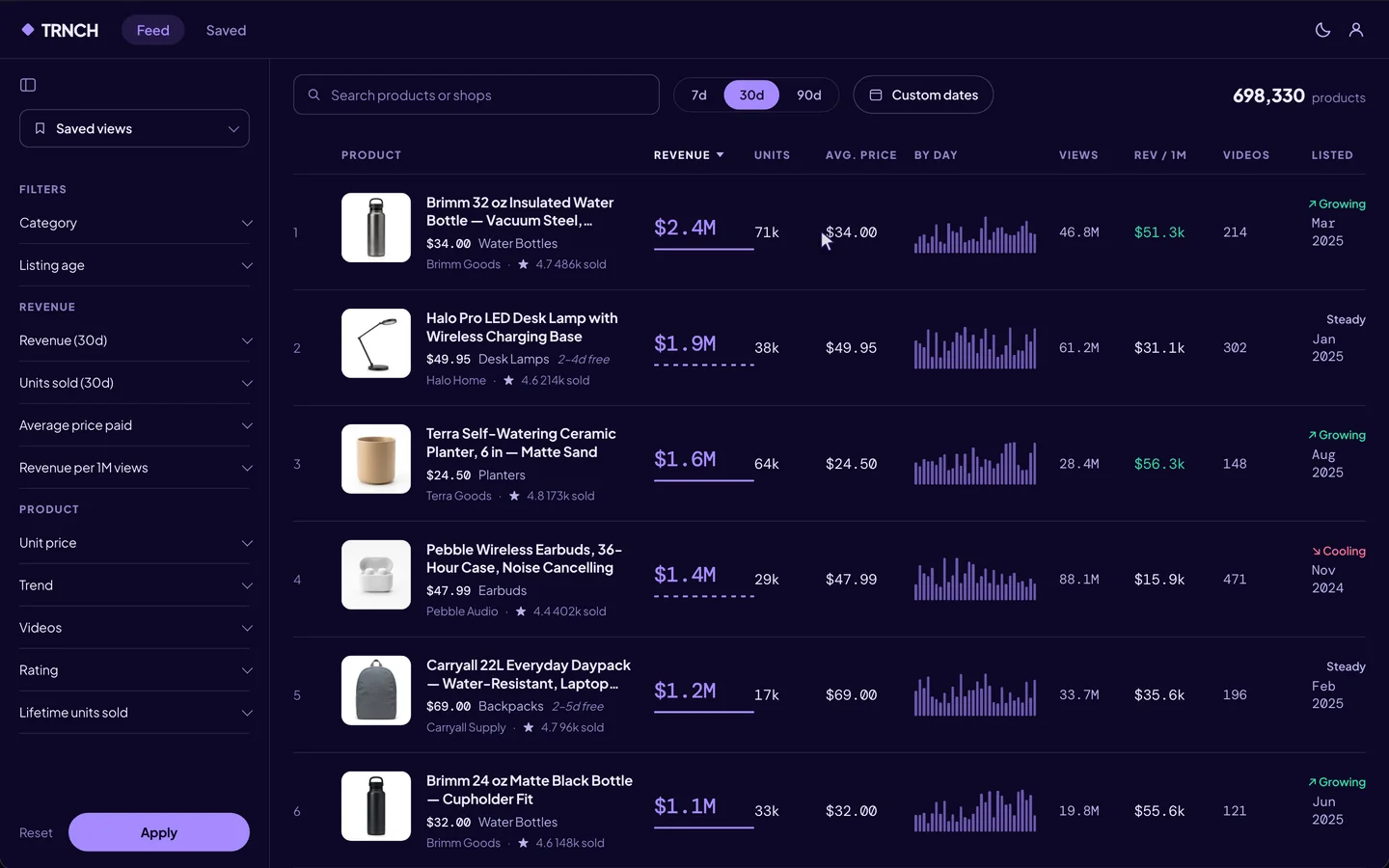
A recorded walkthrough. Every product and every figure in it is a placeholder — everyday items, invented numbers, not listings.
THE WHOLE SHELF
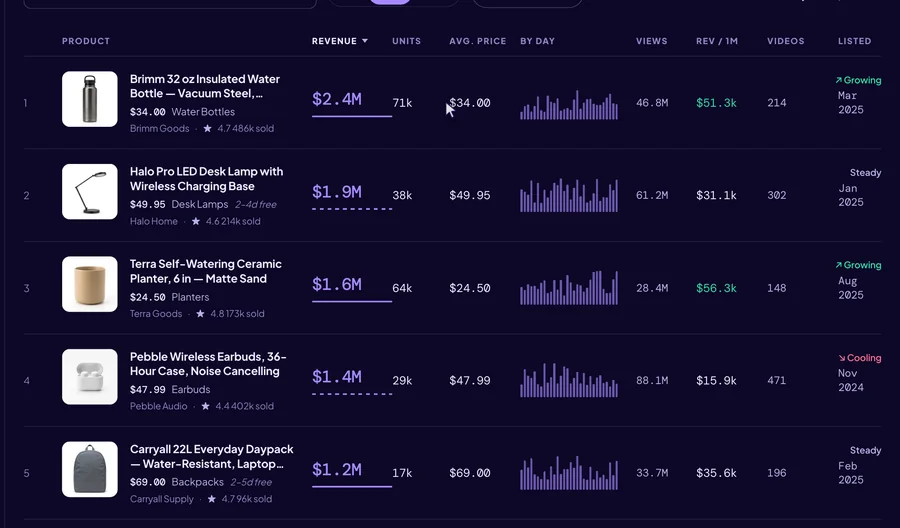
MEASURED OR MODELLED
FOUR CHECKS
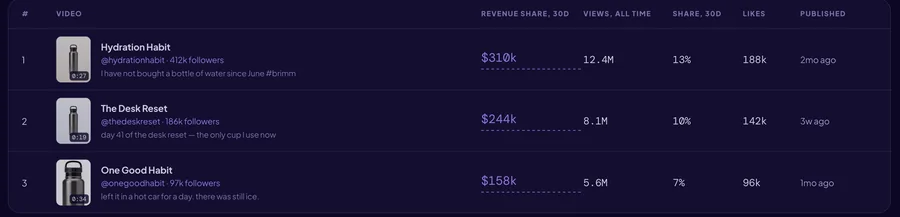
CREATORS
HONEST BY DEFAULT
COST TO SOURCE
Research is built and running. Store building and ad management follow it. Every artefact research produces is stored as data, not pixels, so it carries straight into the next stage instead of being retyped.
STAGE ONE
Every product on TikTok Shop, what it really earns, and three checks before you spend.
STAGE TWO
The winner you picked, already a store — photos, offer ladder and copy carried over.
STAGE THREE
Launch, read and cut campaigns against the break-even number research already worked out.
One person, betting their own money, who loses it if a number on the screen is wrong. That is the whole quality standard.






 0:27
0:27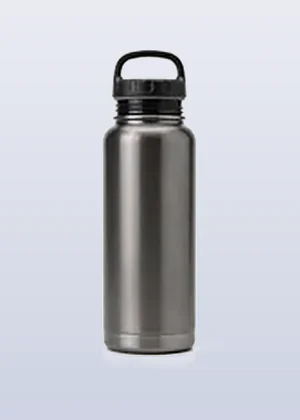 0:19
0:19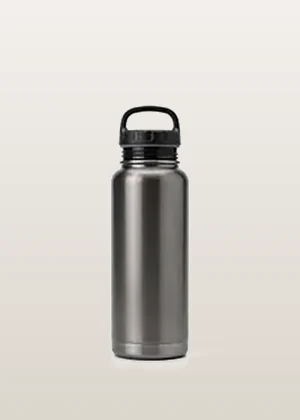 0:34
0:34